
News
Brussels eases the 2035 car target and shifts the burden to member states
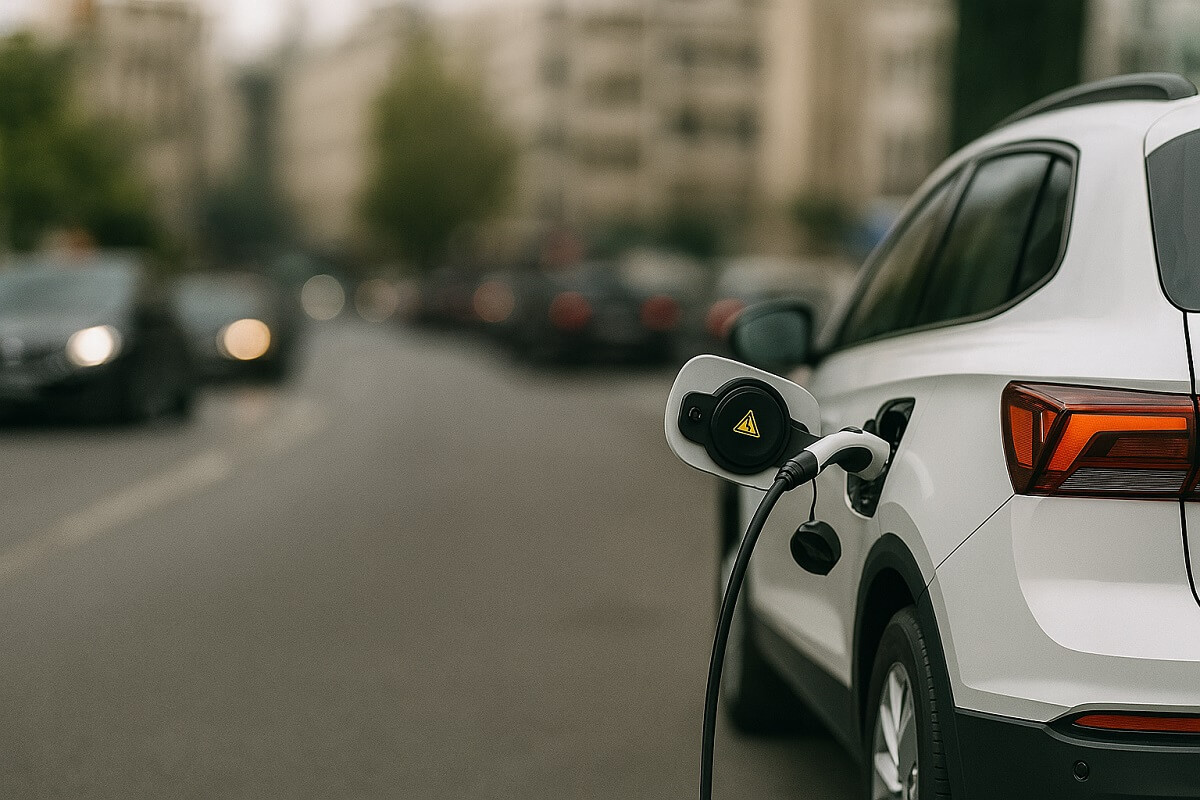
After a year of industry pressure, the European Commission has retreated on its flagship climate rule for cars.
Its Automotive Package of 16 December 2025 replaces the 2035 target of a 100 % cut in new-car CO₂, which would have ended the combustion engine in practice, with a 90 % reduction. Carmakers can close the remaining gap with low-carbon EU steel or with e-fuels and biofuels, so plug-in hybrids, range extenders and combustion models can stay on sale after 2035. Germany, Italy and the car industry pushed hardest for the change. Parliament and the Council still have to agree it, with the Cypriot Presidency steering the talks from January 2026.
The package does not only loosen rules. Its second pillar, the Clean Corporate Vehicles Regulation, moves the other way. From 2030 each member state would have to ensure that a set share of new corporate registrations by large companies is zero- or low-emission, with a sub-target for fully electric cars; small firms stay out, and public subsidies for fossil-fuelled company cars would end. The targets differ by country, set by market maturity rather than national wealth. Germany’s VDA warns the scheme could backfire and add administrative cost; Transport & Environment counters that the quotas are too low and merely follow the market.
Most of the action sits at national level, and the leaders reached high electric shares through company-car taxation. In Belgium only zero-emission company cars stay tax-deductible from 2026, which alone lifted battery-electric models to about 28 % of new registrations. Denmark and the Netherlands run even higher electric shares, near two-thirds and 40 % of new sales, while Spain and Italy stay in single digits. France works the demand side instead, with an income-scaled bonus, a “social leasing” scheme and a target of two in three new cars electric by 2030. A 2026 review found only nine of the twenty-seven member states give companies a clear fiscal reason to switch – the very gap the regulation’s national quotas are meant to close. Policy design, not GDP, decides the pace.
Germany’s own subsidy, in force since 19 May 2026, is often confused with the EU rules but is separate: it pays private households up to €6,000 for a new electric car and has nothing to do with corporate fleets. Such national grants sit under EU state-aid and free-movement law. One tied to neutral criteria is generally lawful, and environmental aims can justify some restriction within the limits of proportionality, while the Commission keeps the power to review programmes that distort competition. The package’s own “made in the EU” conditions raise the sharper single-market questions.
For the trade, the lasting effects lie beyond the new-car market. Faster fleet renewal feeds the second-hand market, where young electric vehicles move west to east across the EU and on to Türkiye, Norway and Switzerland. The used electric market is growing fast as off-lease fleet cars reach buyers. The same CO₂ proposal also repeals the 1999 car-labelling directive and rewrites how buyers are told about emissions, which matters most where cars change hands across borders – and those second-order effects are likely to raise more practical and legal questions than the headline targets.
|
Members’ area: A detailed legal and comparative analysis, covering the CCVR mechanics, the state-aid and free-movement questions, country-by-country data and full source references, is available in the members’ area. |